The Allure of Risk and Reward
The psychology of gambling often revolves around the concept of risk versus reward. Players are drawn to the excitement of potentially winning large sums of money, which triggers a dopamine release in the brain, making the experience inherently pleasurable. This thrill associated with uncertainty keeps players engaged, as they continuously chase that next big win. Interestingly, many people explore options like best online casinos canada to enhance their gaming experience. The anticipation builds during gameplay, creating a cycle that can lead to repeated visits to casinos.
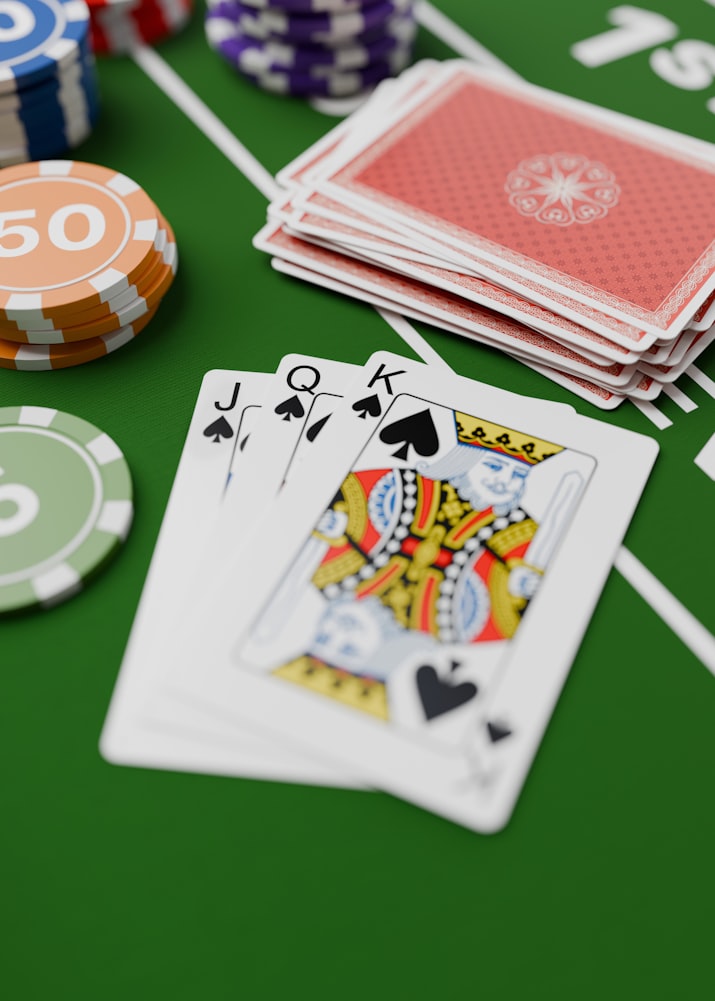
Moreover, successful casino games often exploit this dynamic by offering various levels of risk. For example, games with high volatility provide players with the chance to win big but only occasionally, while low-volatility games offer more frequent, albeit smaller, wins. This balance caters to different risk appetites and keeps players immersed in the gaming experience.
The Role of Visual and Auditory Stimuli
Auditory elements, such as jingles and sound effects, further reinforce this engagement. Winning sounds can elicit positive emotions and create a sense of accomplishment, encouraging players to continue playing. The combination of visual and auditory stimuli is meticulously crafted to keep players in a state of heightened excitement, further embedding them into the gaming experience.
The Impact of Social Interaction
Social dynamics in casinos significantly shape the gaming experience. Many players enjoy the camaraderie that comes from gambling in a group setting. Games that allow for social interaction, such as poker or table games, encourage communication and competition among players, creating an added layer of excitement. This atmosphere can foster a sense of belonging and shared experience, making the game more enjoyable.
Furthermore, marketing strategies that emphasize social elements, such as tournaments and events, can attract more players. Casinos leverage the power of social interaction by creating environments where players can share in their victories and losses, ultimately enhancing their overall experiences. The social aspect of gaming contributes to loyalty and can lead to repeat visits.
The Psychology of Game Design
Game design is intricately tied to psychology, with developers focusing on creating user-friendly interfaces and rewarding mechanics. The concept of “near misses,” where players miss winning by a small margin, is a common tactic in game design. This phenomenon keeps players motivated to continue playing, as they feel they are close to hitting the jackpot, even if statistically, their chances remain unchanged.
Additionally, the use of progress indicators, such as levels or bonuses, motivates players to engage further. Game designers implement these features to create a sense of accomplishment, encouraging players to continue their journey and explore more of what the game has to offer. This blend of psychology and design is pivotal in maintaining player interest and crafting successful games.
